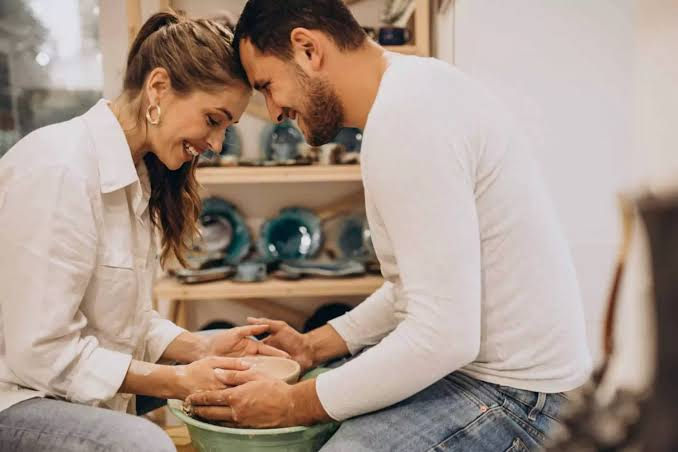

Marriage involves sharing responsibilities, making decisions, and managing everyday routines. Over time, work, household tasks, and family commitments can occupy most conversations and activities. Couples may spend hours together without participating in experiences that encourage curiosity, cooperation, or personal development. Finding a shared hobby provides an opportunity to interact outside daily obligations and discover interests that both partners genuinely enjoy.
Modern couples have numerous entertainment options, including outdoor activities, creative projects, and digital experiences. Partners exploring online entertainment might click here to view a chance-based casino game, although gambling involves financial risks and can create relationship tension. Activities built around learning, cooperation, and shared achievements generally offer more constructive opportunities for connection. The challenge is identifying hobbies that match both partners’ preferences, schedules, and expectations.
Why Shared Hobbies Matter in Marriage
Shared hobbies create opportunities for couples to interact without focusing exclusively on responsibilities.
Research on relationships suggests that participating in enjoyable activities together can support relationship satisfaction, particularly when those experiences introduce novelty and encourage cooperation.
Learning a skill or completing a project gives partners a common objective that differs from household management.
For example, preparing an unfamiliar recipe requires planning, communication, and coordination.
These interactions allow couples to observe how they approach challenges and make decisions.
However, shared hobbies should complement individual interests rather than replace them.
Understanding Each Partner’s Interests
Finding an activity both partners enjoy begins with discussing personal preferences.
One person may prefer movement and outdoor experiences, while the other enjoys creative or intellectual activities.
Instead of selecting a hobby based on one partner’s enthusiasm, identify characteristics that appeal to both.
A couple with different interests might discover common ground through photography, gardening, cooking, or travel planning.
The goal is not necessarily to find an activity both partners already love.
Sometimes a shared interest develops through experimentation and exposure to unfamiliar experiences.
Outdoor Hobbies for Active Couples
Walking, hiking, cycling, and nature observation provide opportunities to combine movement with conversation.
These activities can accommodate different fitness levels when routes and intensity are selected collaboratively.
Hiking encourages partners to plan destinations, prepare equipment, and navigate unfamiliar environments.
Cycling offers opportunities to explore nearby locations, while birdwatching emphasizes patience and observation.
Outdoor hobbies can also reduce time spent using electronic devices.
Couples should consider accessibility, weather conditions, equipment costs, and physical abilities before choosing an activity.
Creative Projects That Encourage Cooperation
Creative hobbies provide opportunities for couples to produce objects or experiences together.
Pottery, furniture restoration, painting, and home decoration involve decisions about design, materials, and execution.
Partners can divide responsibilities according to their strengths.
For example, one person might enjoy planning a furniture project while the other prefers assembling components.
However, cooperation requires flexibility. Differences in taste or working methods can create disagreements when expectations are unclear.
Selecting projects that allow both participants to contribute meaningfully helps maintain enjoyment.
Cooking and Exploring Food Traditions
Cooking together can become a hobby when the activity extends beyond preparing routine meals.
Couples might experiment with regional cuisines, bread fermentation, homemade pasta, or unfamiliar ingredients.
These projects introduce opportunities to learn techniques and compare results.
Planning meals together also encourages discussion about preferences and cultural traditions.
However, cooking should not simply redistribute household responsibilities under the label of recreation.
Both partners need to participate voluntarily and experience the activity as enjoyable leisure.
Learning Something New as a Team
Learning-based hobbies provide opportunities to experience progress together.
Couples can study a foreign language, attend dance lessons, explore photography, or learn musical instruments.
These activities involve practice, mistakes, and gradual improvement.
Working toward a common objective may strengthen cooperation, especially when partners support each other’s learning.
However, differences in ability and learning speed should not become sources of competition.
Encouragement and realistic expectations help maintain a comfortable environment for both participants.
Social Hobbies and Meeting Other Couples
Some married couples enjoy activities that involve social interaction beyond their relationship.
Board game groups, community gardening, volunteering, and recreational sports provide opportunities to meet people with shared interests.
These hobbies can expand social networks while giving partners experiences to discuss afterward.
Group activities also introduce different perspectives and opportunities for cooperation.
However, social participation should match both partners’ comfort levels.
A hobby that one person finds energizing may feel exhausting to another, making open communication important.
How to Test Hobbies Without Major Commitments
Couples do not need to purchase expensive equipment or enroll in long courses immediately.
A practical approach involves creating a list of several activities and testing each during separate weekends.
For example, partners might try a pottery workshop, take a nature walk, or prepare a meal involving unfamiliar techniques.
Afterward, they can discuss what they enjoyed, which difficulties appeared, and whether they would repeat the experience.
Evaluating both the process and the outcome helps identify activities with lasting potential.
Small experiments reduce financial risk and prevent hobbies from becoming obligations before genuine interest develops.
Managing Different Skill Levels and Expectations
Shared hobbies do not require equal abilities.
One partner may already have experience with photography, cycling, or cooking, while the other is a beginner.
Problems can arise when the experienced participant assumes a teaching role without considering the other’s preferences.
Instead, couples can establish objectives that allow independent progress within a shared activity.
For example, during photography walks, each partner can select different subjects while exploring the same location.
The emphasis should remain on participation rather than comparing performance.
Making Shared Hobbies Part of Everyday Life
Maintaining a hobby requires considering work schedules, household responsibilities, and available energy.
Couples can reserve specific periods for leisure, such as one evening each week or several hours during weekends.
However, strict scheduling should not remove spontaneity.
Activities can also change according to seasons and circumstances.
Outdoor hobbies may become less practical during winter, creating opportunities to explore indoor projects.
Flexibility helps couples maintain shared interests without creating additional pressure.
Building Connection Through Shared Interests
Finding a shared hobby involves more than choosing an activity from a list.
Couples need to understand each other’s motivations, experiment with different experiences, and establish expectations that support enjoyment.
Outdoor exploration, creative projects, cooking, learning, and social activities provide opportunities to cooperate and develop new skills.
The most suitable hobby is one that both partners choose willingly and can maintain alongside everyday responsibilities.
By allowing shared interests to evolve, married couples can create opportunities for connection, communication, and enjoyment throughout different stages of their relationship.