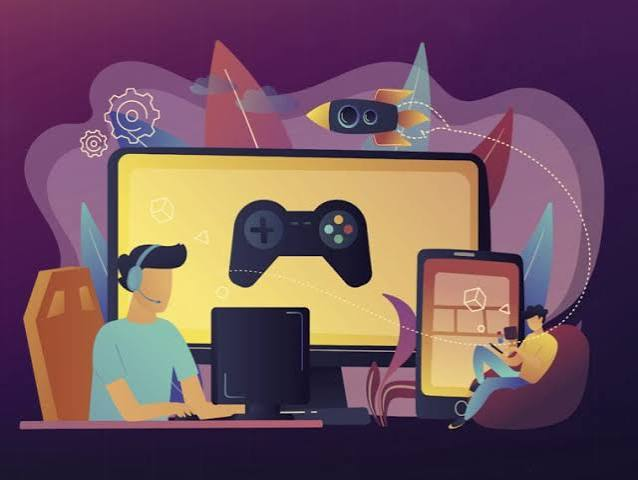

Entertainment has changed dramatically over the years. What once meant gathering around a television, visiting an arcade, or playing board games with friends can now happen with a few taps on a screen. The rise of the daftar big777 has played a major role in this transformation. Today, people can enter virtual worlds, compete with strangers, cooperate with friends, and enjoy quick challenges almost anywhere.
But how did gaming become such a huge part of modern entertainment? The answer lies in a combination of technology, creativity, and changing player expectations.
The Early Days of Online Game Entertainment
The story began with simple computer games and basic internet connections. Early multiplayer experiences were nothing like the polished titles people enjoy today. Graphics were limited, loading times were frustrating, and connections could disappear without warning.
Still, something important happened. Players discovered that games did not have to be solitary experiences.
A teenager sitting at home could compete against someone hundreds of miles away. Friends could communicate while playing. Small gaming communities began forming around shared interests. Those early experiences created the foundation for the connected gaming culture we know today.
The technology was imperfect, but the idea was powerful: entertainment could bring people together even when they were physically apart.
Online Game Experiences Become More Social
As internet speeds improved, gaming became increasingly social. Developers began creating experiences that encouraged teamwork, competition, and communication.
Think about a group of friends meeting online after school or work. They might spend an hour completing missions, laughing over voice chat, or competing for the highest score. The game itself becomes only part of the experience. The conversations, rivalries, jokes, and shared victories become memories too.
This social element helped gaming reach audiences far beyond traditional players.
Games gradually became digital meeting places. People could build friendships with players from different countries and backgrounds. For many, logging in was no longer simply about entertainment. It was also about staying connected.
Mobile Technology Changes Everything
Then came the smartphone revolution.
Suddenly, gaming was no longer tied to a desktop computer or dedicated console. A device already sitting in someone’s pocket could become a complete entertainment platform.
This changed player habits dramatically. People could enjoy a quick puzzle while waiting for a bus, play a competitive match during a break, or explore a virtual world from their sofa.
Mobile gaming also introduced millions of casual players to interactive entertainment. Someone who had never purchased a gaming console could easily discover a favorite title through an app store.
Convenience became one of the industry’s biggest strengths.
Better Graphics and Immersive Worlds
Technology continued moving forward. Faster processors, improved graphics cards, powerful consoles, and better displays allowed developers to create increasingly detailed digital environments.
Modern games can feel remarkably cinematic. Characters have expressive faces. Landscapes contain incredible detail. Sound design creates atmosphere. Storylines can rival those found in movies and television.
Yet visual quality is only one part of the evolution.
Developers now focus heavily on immersion. Players want choices that matter, worlds that feel alive, and experiences that keep changing. Seasonal events, new characters, competitive rankings, and fresh challenges give players reasons to return.
Who would have imagined that a digital world could become a regular part of someone’s daily routine?
The Rise of Streaming and Gaming Communities
Another major change has been the growth of game streaming and online communities.
Players no longer have to experience games privately. They can watch skilled competitors, follow favorite creators, learn strategies, or simply enjoy entertaining reactions. A single match can become a shared event watched by thousands of people.
This has created new forms of gaming celebrity and community culture.
A talented player can build an audience through personality and skill. Viewers may return not because they want to play themselves, but because they enjoy watching someone else play.
In this way, gaming has expanded beyond the screen. It has become content, conversation, competition, and social entertainment all at once.
Online Game Technology Keeps Evolving
The next chapter is big777 alternatif already taking shape. Cloud gaming, virtual reality, augmented reality, artificial intelligence-driven characters, and faster networks are opening new possibilities.
Cloud technology, for example, aims to reduce the need for expensive hardware by allowing games to run through remote servers. Virtual reality takes immersion even further by placing players inside interactive environments.
Meanwhile, cross-platform play makes it easier for people using different devices to compete together. A player on a console might join someone using a computer or smartphone.
These developments suggest that the future of gaming will be less about where a person plays and more about how easily they can connect.
Why the Future Looks So Exciting
The evolution of gaming is ultimately a story about people. Technology provides the tools, but players give those tools meaning.
A simple game can create a lifelong friendship. A difficult competition can teach patience. A virtual adventure can provide a welcome escape after a stressful day.
That emotional connection explains why digital gaming continues to grow.
The most successful experiences understand that players want more than attractive graphics. They want excitement. They want challenge. They want choice. Most importantly, they want to feel involved.
The journey from basic multiplayer experiments to rich, connected entertainment has been extraordinary. And it is far from finished.
As technology continues to develop, gaming will likely become even more interactive, social, and accessible. For players, that means more worlds to explore, more people to meet, and more stories waiting to unfold.
The next time you start a game, take a moment to appreciate how far the experience has come. The future of digital entertainment may already be loading.