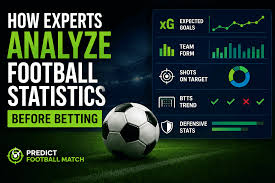

In this guide to KeoNhaCai Kèo nhà cái Football Odds – Expert Betting Analysis and Predictions, we break down how to read odds, what signals actually matter, and how to turn common match data into smarter betting decisions. If you’re looking for value rather than luck, the key is understanding why odds move, how markets price risk, and how to build a prediction that stays consistent across multiple leagues and match types.
What “KeoNhaCai Football Odds” Really Means
Keo (odds) in football betting usually refers to the prices bookmakers attach to outcomes such as home win, draw, away win, or goal-based markets. “KeoNhaCai” is commonly used by bettors to describe the odds provided by a bookmaker and the way those odds reflect market expectations. The phrase “expert betting analysis” typically points to more than just picking winners—it means interpreting team form, matchup dynamics, injuries, motivation, and even tactical styles to assess whether the offered price is fair.
The most important idea behind the keyword is value: an odd is only “good” when your estimated probability of an outcome is higher than what the odds imply. Experts don’t simply follow favorites; they compare their view of the game with the market view.
How odds translate into probability
Odds can be converted into implied probability. In simple terms, if a bet’s odds suggest a team is likely to win, but your analysis says they’re less likely than the market thinks, then backing that team could be value (or at least not irrational). Conversely, if the market is correctly pricing a dominant team, chasing a big underdog may be tempting but can be statistically difficult.
Expert Framework for Football Odds Analysis
Below is a practical, repeatable approach bettors use to evaluate KeoNhaCai-style football odds. The goal is not to predict perfectly; it’s to avoid systematic mistakes like overreacting to one recent result or ignoring tactical fit.
1) Start with the market: what the odds are telling you
Before touching statistics, check how the odds are distributed across markets. If home-win odds drift lower over time, it usually signals growing confidence in the home side—often due to lineups, injuries, or public betting patterns. If the draw becomes less attractive (odds rise or the market “flattens” toward a win), that often points to teams with styles that reduce scoring variability (or simply public sentiment shifting).
2) Confirm team strength with multiple signals
Form matters, but betting models that rely only on “last 5 matches” often fail. A better approach is to triangulate:
- Home/away consistency
- Goal metrics (scoring and conceding tendencies)
- Defensive stability (clean sheets, opponent shot quality)
- Availability of key players (especially defenders/keepers and primary attackers)
3) Use matchup and tactics, not only league position
Two teams can have similar records yet clash differently. For example, a counter-attacking away side may thrive against a high-pressing opponent, producing a game where the “away goals are plausible” even if their league ranking is lower. Conversely, a team with weak chance creation can still win if it faces an opponent that struggles to break down defensive blocks.
4) Identify game-state scenarios that match the odds
Odds are priced around plausible scorelines. If the odds heavily favor a narrow home win (common when the home side dominates territory but not conversion), then markets like under/over goals or Asian handicaps may offer better alignment than 1X2 alone. The best “expert” predictions often come from recognizing which script is most likely given team profiles.
Predictions That Target Value (Not Just Winners)
True expert predictions typically answer a simple question: Is the odds price too generous for the outcome I expect? To do that, you need to estimate probability and compare it to the implied probability from the odds.
Common value areas in football betting
Value often appears when:
- A strong team has a “name” premium already priced in, but their recent performances show cracks (fatigue, tactical disruption, injuries).
- A tactical matchup favors one side even though the league table suggests otherwise.
- Defensive vulnerabilities contradict the market’s assumption that “better team = safer win.”
- Public bias overvalues favorites, inflating underdog-friendly prices.
Risk management: choosing the right market
A major reason bettors struggle with odds is they pick markets that don’t match their conviction. If you only have moderate confidence that a team will win, then an outright 1X2 might be too risky compared to alternatives like “double chance” logic (where available in your sportsbook) or handicap-style bets that reduce variance.
How to Build a Betting Plan Using KeoNhaCai Football Odds
Think of this as a short workflow you can run before placing each bet. It’s designed to prevent impulsive decisions.
- Pick 2–3 markets max for each match so you can track your reasoning clearly.
- Check the line and odds movement if your platform shows it; movement is a signal.
- Estimate probabilities using your own read of form, injuries, and tactics rather than chasing headlines.
- Compare your probability to implied probability from the odds; look for mispricing.
- Set stake sizing based on confidence. If your edge is small, reduce stake; if your edge is strong, you can be more aggressive—without going all-in.
Troubleshooting common prediction mistakes
If you feel your picks keep “almost working” but missing key outcomes, it usually comes from overfitting to recent results or ignoring lineup news. Another issue is confusing “better team” with “best bet.” Teams can be better overall yet still fail in a single matchup due to style mismatch or missing a key player who changes how they play. Finally, avoid chasing odds when the match conditions shift—late injuries, suspensions, or unexpected rotations can flip probabilities quickly.
Example: Turning Odds into a Match View (Practical Interpretation)
When you see KeoNhaCai Football Odds showing a strong home favorite, the market assumes the home side has both advantage and reliability. Your job is to test that assumption. If the home team is missing a crucial defender and their recent matches reveal late defensive collapse, then the “safe win” narrative may be overstated. If the away team is compact, low-risk, and especially strong against transitions, you may expect a closer match than the odds imply. The most expert move is not to guess a scoreline—it’s to pick the outcome range that best matches what the teams are likely to do.
What to look for before betting
Pay attention to match context such as whether a team is fighting for a position, dealing with a congestion schedule, or rotating for cup games. Odds often incorporate motivation indirectly, but not always accurately. If you notice a team has been rotating heavily and their strongest lineup is unlikely to start, adjust your probability away from the market’s implied confidence.
Best “Options” for Using KeoNhaCai Odds Like an Expert (5 Approaches)
Because “KeoNhaCai Football Odds – Expert Betting Analysis and Predictions” is a betting-intelligence goal rather than a single product, the best “options” are proven analysis approaches you can apply. Here are five practical ways to get closer to expert-level decision-making:
- Value-first probability comparison: Convert your read of match likelihood into an estimated probability, then compare it to the implied probability from the KeoNhaCai odds to spot mispricing. This helps you bet when the price is generous, not just when you feel confident.
- Market-movement confirmation: Track whether odds drift toward one outcome. If the market is adjusting due to lineup news or new information, aligning your model with that can reduce surprises.
- Tactical matchup filtering: Evaluate how each team’s playstyle interacts with the opponent—pressing vs buildup, width vs central defense, counter threats vs possession. This improves accuracy beyond table position.
- Defensive reliability targeting: For matches where goals are uncertain, focus on conceding patterns, clean sheet rates, and shot-quality allowed. Defensive cues often explain why certain odds are overpriced.
- Multi-signal form model: Instead of last-match obsession, combine home/away performance, scoring frequency, and opponent strength. This creates steadier predictions across weeks and reduces overreacting to anomalies.
How to Make Predictions You Can Repeat
The best predictions are repeatable because they rely on process. Keep your analysis consistent: check odds context, validate with team signals, use tactical logic, and only bet when the price looks aligned with your probability estimate. Over time, you’ll identify which leagues, markets, and teams you understand best, and you’ll naturally avoid selections where your edge is weak.
If you want to use KeoNhaCai Football Odds effectively, remember that the market is dynamic. Even small changes—like a starter ruled out—can affect how likely certain outcomes are, and odds are the sportsbook’s way of reflecting those shifts.
Conclusion
KeoNhaCai KQBD Football Odds – Expert Betting Analysis and Predictions works best when you treat odds as a probability auction: you estimate your own likelihood using team news, form, tactics, and game-state logic, then compare it to the implied probability behind the offered price to find value. By confirming signals through odds movement, focusing on repeatable processes, and managing risk based on confidence, you can make smarter, less emotional betting decisions that stay grounded in how football matchups actually play out.