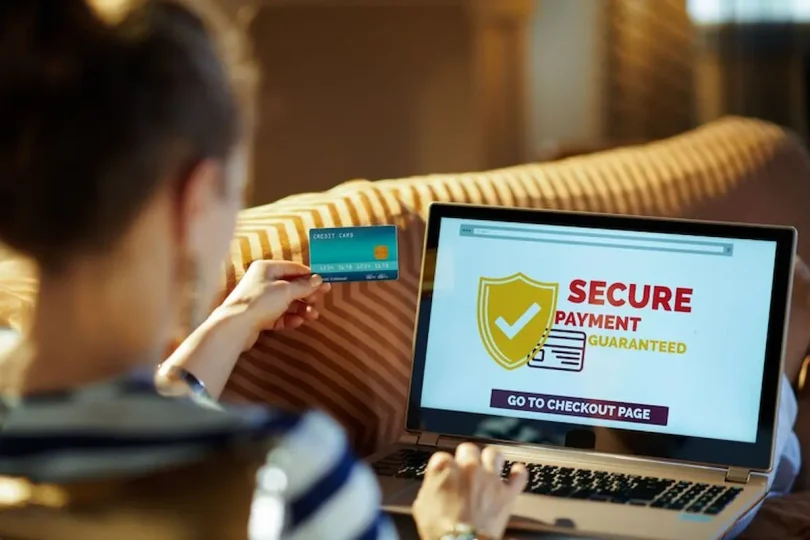

Secure digital payment options are now an essential part of everyday life, especially as more people shop online, send money internationally, and manage businesses digitally. If you are trying to understand which secure digital payment options you can trust, how they work, and which one suits your needs best, this guide will explain everything in a simple, detailed, and practical way.
Instead of confusing technical terms, let’s go step by step so you can clearly understand how digital payments work and how you can keep your money safe while using them.
What Are Secure Digital Payment Options?
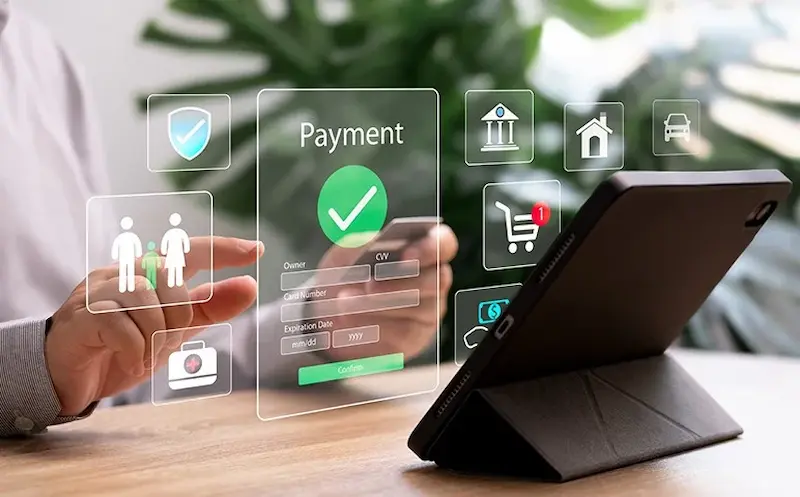
Secure digital payment options are online systems that allow you to transfer money or make payments without using physical cash. These systems rely on encryption, authentication, and fraud protection technologies to ensure your financial information stays safe.
In simple terms, they are digital tools that help you pay for things safely using your phone, computer, or card.
Some common examples include:
- Mobile wallets
- Online banking
- Debit and credit cards
- Payment gateways
- International payment platforms
Each of these works differently, but the goal is the same: safe, fast, and convenient transactions.
Why Secure Digital Payment Options Are So Important Today
If you think about it, almost everything is digital now—shopping, bill payments, freelancing, business transactions, and even sending money to family. But with convenience comes risk.
Here’s why secure digital payment options matter so much:
1. Protection from Fraud
Online scams are increasing. Fake websites, phishing links, and stolen card data are real threats. Secure systems help protect you with encryption and verification steps.
2. Safe Transactions Anytime
You can send or receive money 24/7 without visiting a bank.
3. Faster Payments
Digital payments are almost instant compared to traditional banking methods.
4. Easy Tracking
You get transaction history, receipts, and alerts for every payment.
5. Global Access
You can send money across countries within minutes using trusted platforms.
How Secure Digital Payment Systems Actually Work
To understand safety, you need to know what happens behind the scenes.
When you make a digital payment:
- Your payment details are encrypted (turned into secure code)
- The system verifies your identity (OTP, PIN, or biometrics)
- The transaction is sent through a secure network
- The payment is approved or declined instantly
- Both sender and receiver get confirmation
This process happens in seconds, but multiple security layers are working in the background.
Types of Secure Digital Payment Options (Detailed Guide)
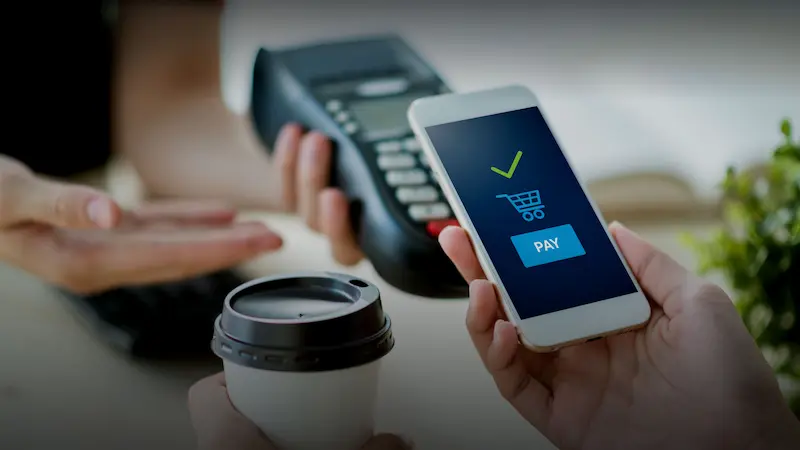
Let’s break down the most commonly used methods in detail.
1. Mobile Wallets (Digital Wallets)
Mobile wallets are apps where you store money digitally and pay directly from your phone.
Popular options include:
- Google Pay
- Apple Pay
- PayPal
- Samsung Pay
How they work:
You link your bank account or card to the wallet. When you pay, the wallet uses a secure token instead of your real card details.
Why they are secure:
- Biometric authentication (fingerprint or face unlock)
- No sharing of actual card numbers
- Instant fraud alerts
- Encrypted transactions
Best use cases:
- Online shopping
- QR code payments
- Sending money to friends
- In-store payments
2. Online Banking (Bank Transfers)
Online banking is one of the strongest secure digital payment options because it is directly controlled by your bank.
Features:
- Direct transfer between bank accounts
- Strong login security (OTP, password, biometrics)
- Real-time balance updates
Security benefits:
- Banks use advanced encryption systems
- Transactions require multiple verification steps
- Fraud detection systems monitor unusual activity
Best for:
- Large payments
- Utility bills
- Salary transfers
- Business transactions
3. Debit and Credit Cards
Cards are one of the most widely used payment methods worldwide.
How they stay secure:
- CVV verification
- 3D Secure authentication (OTP verification)
- Fraud monitoring systems from banks
Extra safety features:
- Card lock/unlock option via apps
- Transaction alerts via SMS/email
- Spending limits
Best for:
- Online shopping
- Subscriptions (Netflix, Spotify, etc.)
- Travel bookings
4. Payment Gateways
Payment gateways are platforms used by businesses to accept payments online.
Examples include:
- Stripe
- PayPal Checkout
- Razorpay
How they work:
They act as a bridge between customers and merchants, securely processing payments.
Security features:
- End-to-end encryption
- Fraud detection algorithms
- PCI-DSS compliance (global security standard)
- Buyer protection policies
Best for:
- E-commerce websites
- Freelancers receiving payments
- Online businesses
5. Cryptocurrency Payments
Cryptocurrency is a newer form of digital payment using blockchain technology.
Examples include:
- Bitcoin
- Ethereum
- USDT
How it works:
Transactions are recorded on a decentralized blockchain network.
Security benefits:
- No central authority control
- Highly encrypted system
- Transparent transaction history
Risks:
- Price volatility
- Limited acceptance
- Irreversible transactions
Best for:
- Tech-savvy users
- International transfers
- Investment-related payments
How to Choose the Best Secure Digital Payment Options for You
Not every payment method is suitable for everyone. You should choose based on your needs.
Ask yourself:
- Do I need fast everyday payments?
- Do I send money internationally?
- Do I run an online business?
- Do I prefer bank-level security or convenience?
Simple guide:
- Everyday use → Mobile wallets
- Business use → Payment gateways
- Large transfers → Bank transfers
- International use → PayPal or similar services
- Investment use → Cryptocurrency
Common Risks in Digital Payments (And How to Avoid Them)
Even secure systems can be misused if you are not careful.
1. Phishing Scams
Fake emails or messages asking for your details.
Solution: Never click unknown links.
2. Public Wi-Fi Risk
Hackers can steal data on unsecured networks.
Solution: Avoid transactions on public Wi-Fi.
3. Weak Passwords
Easy passwords can be guessed.
Solution: Use strong and unique passwords.
4. Fake Websites
Cloned shopping websites can steal card data.
Solution: Always check website URL (https://)
5. OTP Sharing Scams
Scammers ask for OTP pretending to be banks.
Solution: Never share OTP with anyone.
You may also like to read this:
Online Side Hustle Ideas To Earn Extra Income
Best Remote Work Jobs In 2026 | Work From Home Guide
Easy Online Income Ideas For Beginners To Start Today
Best Online Payment Methods 2026 | Safe & Fast Guide
How To Receive International Payments Guide 2026
Future of Secure Digital Payment Options
The future of payments is becoming more advanced and safer.
We will see:
- AI-based fraud detection
- Biometric-only payments (no passwords)
- Instant cross-border transfers
- Blockchain-powered banking systems
- Contactless payments everywhere
Digital payments are moving toward faster, safer, and more automated systems.
Final Thoughts
Secure digital payment options are not just a modern convenience—they are a necessity in today’s digital world. Whether you are shopping online, running a business, or sending money to family, choosing the right payment method ensures your money stays safe and your transactions stay smooth.
If you understand how each system works and follow basic safety habits, you can confidently use digital payments without worrying about risks.
FAQs
1. What are the most secure digital payment options?
Mobile wallets, bank transfers, and credit/debit cards with OTP verification are among the safest.
2. Is online payment safe for daily use?
Yes, if you use trusted apps and follow basic security practices.
3. Can digital payments be hacked?
No system is fully risk-free, but strong security layers make it very difficult.
4. Which payment method is best for international transfers?
PayPal and similar global platforms are widely used.
5. How can I protect my digital payments?
Use strong passwords, enable two-factor authentication, and avoid suspicious links.